Sun beating through your windows at noon can feel relentless — especially in Queen Creek summers. If you’re a homeowner who wants dark, cool rooms without total blackout curtains, the right Shutters can change everything. Here’s a friendly, practical guide to the best shutters to block out sunlight and how to pick the one that actually works for your home.
Why blocking sunlight matters (more than you think)
You might think bright rooms are always better. Sometimes they are. But too much sun means faded furniture, higher cooling bills, and glare that ruins movie night or your Zoom calls.
Let me explain: Queen Creek sun is intense. It’s not just about heat; it’s UV light sneaking into fabrics and floors. Blocking sunlight helps with temperature control, privacy, and preserving interiors — and it can make rooms feel calmer. You’ll save energy, too; less work for your AC means lower bills.
You know what? Blocking light doesn’t mean living in a cave. The right shutter gives control — total darkness when you need it, soft light when you don’t. That flexibility is huge for bedrooms, media rooms, and west-facing living areas.
A quick, no-nonsense guide to shutter types (what they do best)
Here’s the short version — then I’ll unpack each one. Different shutters block light differently: internal louvers tilt, solid panels block, and exterior systems stop sun before it even reaches glass.
Plantation shutters (interior louvers)
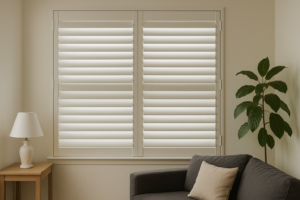
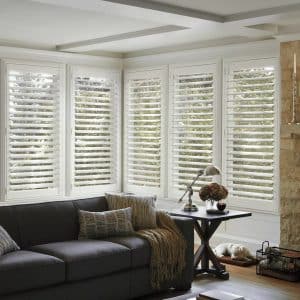
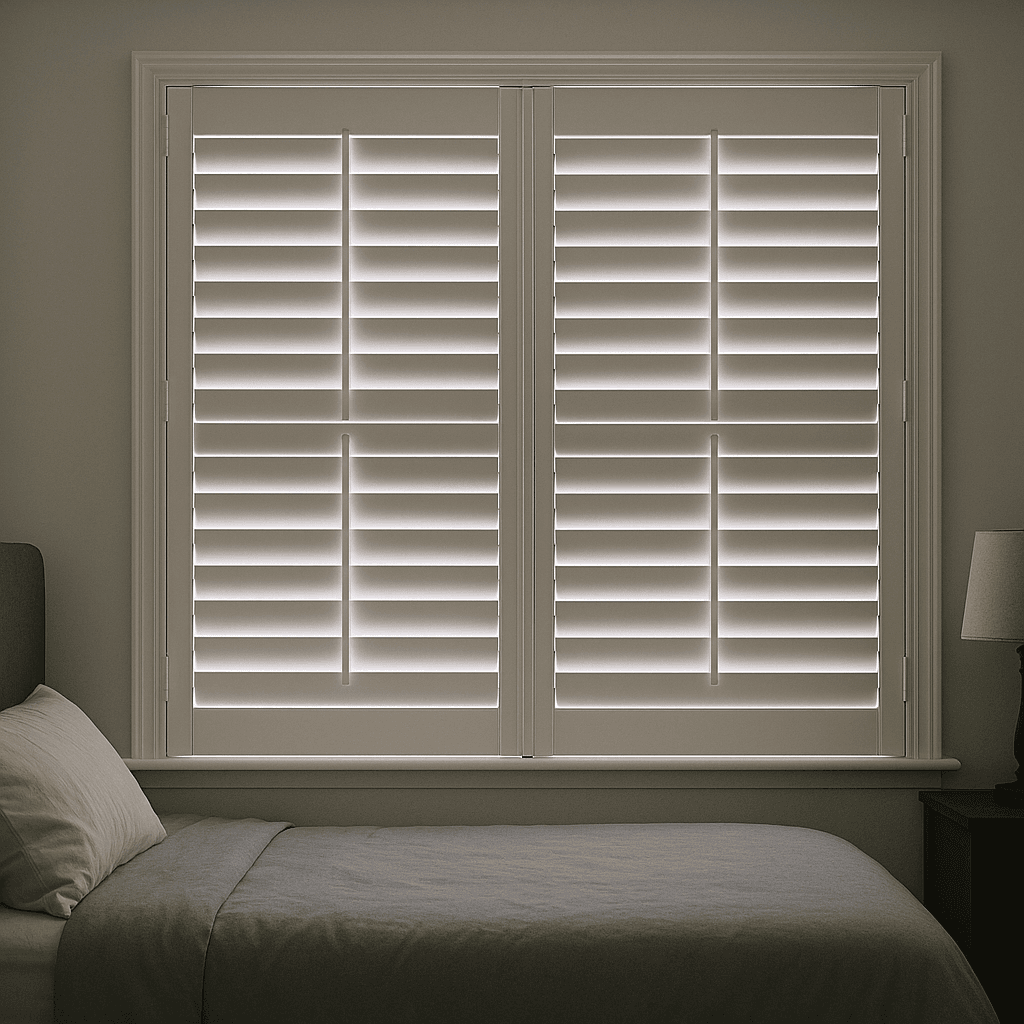
Plantation shutters are the classic choice. Wide slats (usually 2.5″–4.5″) give great control: tilt them open for daylight or snap them closed for a darker room. When closed tightly, they block a surprising amount of light — not always perfect blackout, but very effective.
Solid panel shutters (also called board-and-batten)
These are the “no compromise” option for blocking sunlight inside. Solid panels cover the window completely and offer near-total darkness. They’re simple, robust, and great for bedrooms or media rooms where you want consistent darkness.
Exterior roll-down shutters (aluminum or metal)
If you want to stop sun before it hits the glass, exterior roll-down shutters are the answer. These are common in hot climates because they reduce heat gain dramatically. They can be manual or motorized, and many homeowners love them for security and weather protection as well.
Motorized roller shutters
Modern, convenient, and very effective. With a button or app, you can lower a shutter to create blackout conditions instantly. They’re pricier but worth it if you want effortless control, especially for large or hard-to-reach windows.
Cellular or layered interior shutters (less common)
These are like hybrids—some shutters have internal fabric or foam layers that help with light blocking and insulation. They’re quieter than metal shutters and can be very efficient at reducing incoming light.
Materials: why it matters for blocking sunlight
Material affects how well a shutter blocks sun, how long it lasts, and how much fuss you’ll have with maintenance.
-
Wood: Classic look, warm, and sturdy. Wood shutters block light well when made with tight construction. But wood can warp in high heat unless treated or used indoors only.
-
Composite / Polycore: Engineered to resist humidity and heat. These give a near-wood look without the warping risk. Excellent for Queen Creek homes; they block light effectively and last longer outdoors.
-
Aluminum / Metal: Used for exterior shutters. Super durable, excellent at blocking sunlight and heat. They’re heavier and can dent, but they’re top-notch for full blackout and security.
-
Vinyl: Affordable, decent light control, and easy to clean. Not as upscale-looking as wood or composite, but practical for budget-conscious homeowners.
Here’s a little comparison table to make choices easier:
| Type | Light control | Best for |
|---|---|---|
| Interior Plantation | High (not total blackout) | Living rooms, kitchens |
| Solid Panel | Near-total blackout | Bedrooms, media rooms |
| Exterior Roll-Down | Total (before window) | West-facing windows, patios |
| Composite | High, stable | Any room in Queen Creek |
| Motorized Roller | Total, convenient | Large windows, second stories |
Which shutters are truly blackout? (Spoiler: it’s not always straightforward)
Here’s the thing: no shutter is magically perfect across every window and frame. Plantation shutters closed tightly are darker than blinds, but thin gaps still let slivers of light. Solid panels or exterior roll-downs give real blackout.
So what should you pick? Ask yourself: do you want total darkness, or just less glare? For a nursery or a home theater, choose solid interior panels or exterior roll-downs. For flexible living spaces, plantation shutters often hit the sweet spot.
Also, consider installation details: how the shutter meets the window frame matters. Even a top-rated shutter can leak light if gaps aren’t sealed. Good installers — the ones who measure twice and cut once — make a big difference.
Room-by-room suggestions (because context matters)
Not every room needs the same treatment. Here’s a quick guide based on how you use each space.
-
Bedroom: Solid panel shutters or motorized roll-downs for reliable darkness and sleep-friendly conditions.
-
Living room / Dining: Plantation shutters for control over daylight and aesthetic appeal.
-
Home theater / Media room: Exterior roll-downs or solid panels. Light bleed ruins cinematic moments; don’t leave it to chance.
-
Kitchen: Durable composite shutters — easy to clean, resistant to humidity.
-
Sunroom / Patio windows: Exterior roll-down or motorized shutters for weather protection and heat control.
Cost, savings, and the math you’ll actually care about
Upfront costs vary. Vinyl or vinyl-louver plantation shutters tend to be budget-friendly. Wood and composite cost more. Exterior metal roll-downs and motorized systems are the priciest.
But here’s the kicker: good shutters can cut cooling bills. Studies and real installations show reduced heat gain when exterior shading is used. In Queen Creek, that can translate to meaningful savings across hot months — sometimes paying back a portion of the investment over a few years.
Things to remember:
- Energy savings depend on window orientation and how you use the shutters.
- Rebates: occasionally available for motorized, energy-efficient systems; check local programs.
- Long-term value: shutters add curb appeal and can boost resale value — an intangible, but real, benefit.
Installation tips, common mistakes, and maintenance
You can buy shutters off-the-shelf, but custom-fitted shutters deliver better light control. Here are practical tips:
-
Measure carefully: small errors mean light leaks. Have pros measure if you’re unsure.
-
Seal gaps: choose Products with good perimeter seals or add weatherstripping for better blackout performance.
-
Think about operation: If you have high windows, consider motorized operation. It’s practical and feels a bit luxurious.
-
Maintenance: wipe down interior shutters with a damp cloth; exterior metal shutters may need occasional lubrication and checks for corrosion.
-
Avoid cheap hardware: hinges and tracks wear out; spend a bit more for quality parts.
Common mistakes? Installing shutters that don’t fit the architectural style, choosing a material that warps in heat, or skipping professional installation to save a few bucks. Those often cost more down the line.
A few style notes — because looks matter
Shutters don’t have to be purely functional. They’re also part of your home’s personality. White plantation shutters give a clean, airy look. Stained wood adds warmth. Metal exterior shutters can be sleek and modern, or heavy-duty and industrial.
You might think that darker shutters block more light — sometimes true — but it’s the fit and construction that matter far more. Don’t pick a color only for light-blocking; think about how it pairs with paint, tile, and furniture.
Final thoughts — making the right pick for your Queen Creek home
Choosing the best shutters to block out sunlight is about trade-offs: aesthetics vs. performance, upfront cost vs. long-term savings, manual vs. motorized convenience. Remember: blocking sunlight doesn’t mean surrendering natural light. It means gaining control.
If you want my blunt takeaway: for true blackout, go with solid panels or exterior roll-downs. For flexible control and timeless style, choose plantation shutters made from composite materials. And if you have tricky windows — skylights, tall panes, or lots of sun exposure — consider motorized solutions.
If you’re ready to get real about beating the Arizona sun, we’d love to help. Arizona Window Shutters installs custom shutters tailored to Queen Creek homes — from elegant interior plantation shutters to heavy-duty exterior roll-downs.
Call us at 480-470-5641 or Request a Free Quote to schedule a free consultation. We’ll measure, show samples, and give a clear price — no guesswork, just options that actually work for your space.