Living in Queen Creek, Arizona, means you know heat and sun—sometimes a little too well. Choosing the right Shutters can make your home cooler, quieter, and kinder to the planet, while giving your place a real curb-appeal boost. Here’s a straightforward, friendly guide to choosing sustainable window shutters that actually work for Arizona homes.
Why sustainable shutters matter in Queen Creek (and why you’ll care)
Arizona summers are no joke. You can feel it when the AC strains, the electric bill climbs, and the inside of your home still feels like a sauna. That’s where energy-efficient shutters come in — they’re more than decoration. They block heat before it hits your windows, reduce glare, and keep conditioned air inside. You save money. You feel more comfortable. Your home carbon footprint gets smaller. Sounds simple, right?
Here’s the thing: not all shutters are created equal. Some look pretty but barely help with insulation; others are rugged and efficient but might not match your style. You want both — performance and personality. Local weather patterns (think monsoon seasons and crazy summer temps) mean durability matters as much as insulation.
Which Materials actually make sense — pros, cons, and the surprising middle ground
Let’s talk materials plainly. Each has trade-offs; sometimes the cheaper option costs more over time. Honest question: would you rather replace something every few years or pick well and forget it? Below is a quick comparison to help.
| Material | What it’s good at | What to watch for |
|---|---|---|
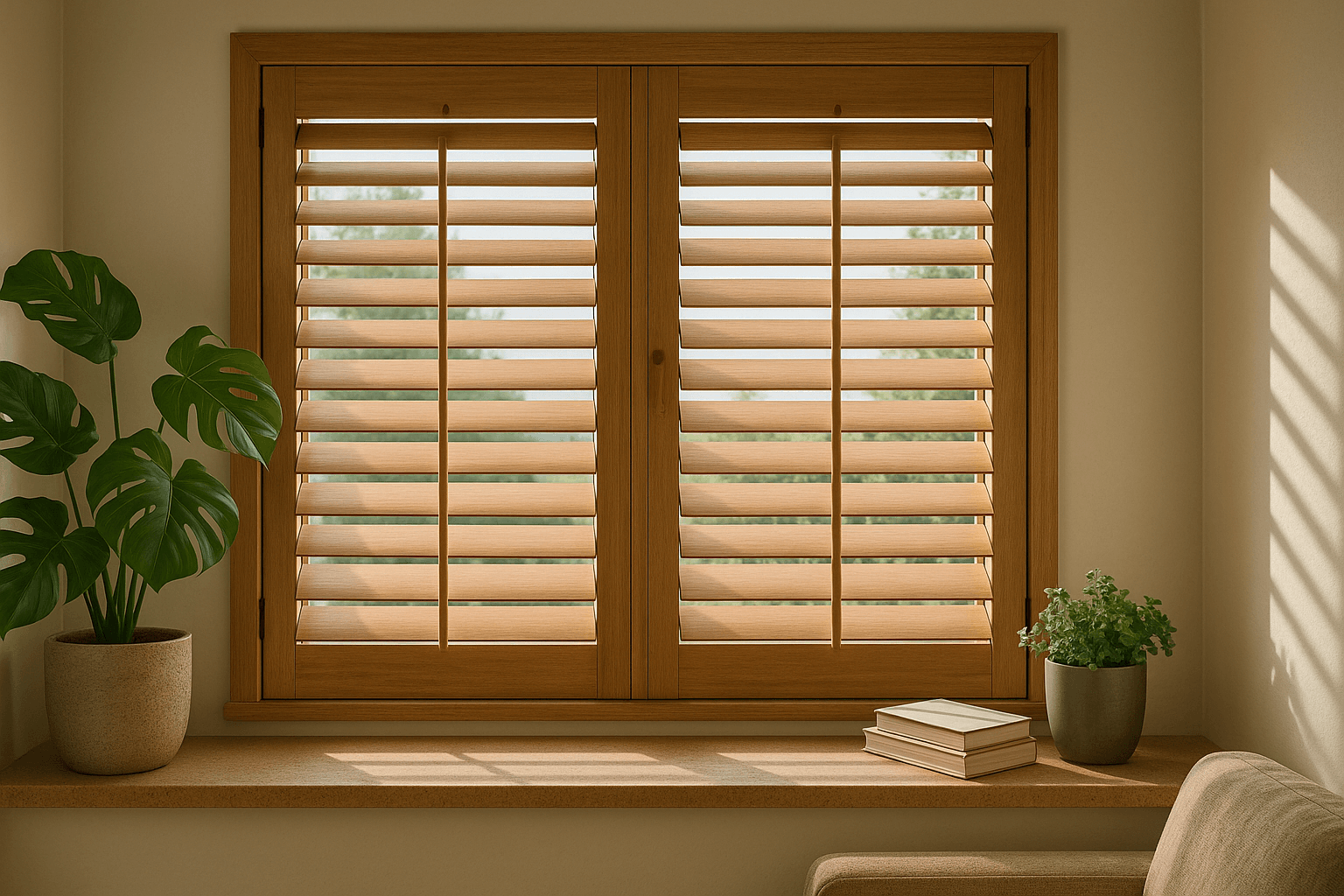
| Real Wood | Warm look; good insulation; classic curb appeal | Needs regular maintenance in Arizona’s sun and occasional sealing |
| Composite (polywood-type) | Excellent insulation; moisture-resistant; low maintenance | Higher upfront cost but pays back over time |
| Vinyl | Affordable; moisture-resistant | Can warp/fade in intense sun if low-quality |
| Aluminum | Durable; great for storm protection; sleek modern look | Not as insulating on its own; may feel cold to touch |
Composite shutters are often the sweet spot for Queen Creek homeowners — they’re made to mimic real wood while handling heat and humidity better. But if you love the grainy warmth of real wood for a front room or dining area, there’s nothing wrong with choosing it — just plan for care. And yes, aluminum sometimes feels a bit industrial, but for patio doors or exterior storm protection, it’s unbeatable.
How shutters actually lower bills and boost comfort (science, minus the snooze)
Okay, nerdy bit but useful: shutters reduce heat transfer through windows. They reflect sunlight, cut direct solar gain, and create an insulating air gap when closed. That means your AC runs less and your thermostat gets some relief.
Here’s another neat thing — shutters aren’t just for summer. In winter, they trap warm air between the shutter and glass; in summer, they reflect heat away. So, even if you think “I’ll only use them for looks,” they quietly help your HVAC all year.
Pair shutters with simple, low-cost upgrades — like weatherstripping, a programmable thermostat, or shading on the exterior — and you’ll see compounded savings. Honestly, small changes stack up.
Design choices that matter (and a few that don’t as much as you think)
Design isn’t vanity — it’s utility. Louver size, tilt, and whether a shutter is solid or slatted change how much light and heat you control.
- Louver size: Bigger louvers = more visibility when open, but slightly less privacy. Smaller louvers = greater privacy and slightly better insulation.
- Solid panels vs. louvers: Solid panels give excellent solar block and privacy; louvers offer adjustable light management. Sometimes you want both — hybrid layouts can be genius.
- Colors and finishes: Lighter shades reflect more heat. Dark interiors look great but can soak up sun near windows. It’s a trade-off; pick wisely.
- Motorization: You can automate shutters, and yes, it’s convenient — but it adds cost and a bit of tech to maintain. Manual is simpler and almost always reliable.
You don’t need to sacrifice style for performance. Shutters come in styles that mimic craftsman, modern, or farmhouse looks — pick one that makes your neighbors pause.
Installation and maintenance — myths, realities, and tips that save money
There’s a myth that shutters are set-and-forget. They sort of are, but only if they’re installed correctly. Poor mounting leads to rattles, gaps, and performance loss. Measure twice, install once — really.
- DIY vs. pro: DIY can work for small, straightforward windows. But for large panes, unusual shapes, or exterior fittings, call a pro. Precise fit = better insulation and longevity.
- Hardware matters: Quality hinges, screws, and paint/finish affect lifespan. Cheap hardware is false economy.
- Maintenance tips: Clean with mild soap and water; avoid pressure washers. Inspect seals annually, and touch up paint or finish on wood every few years.
- Warranties: Ask about warranties on both materials and installation. A good warranty speaks to a company’s confidence in their work.
One mild contradiction: sometimes a slightly imperfect fit looks fine but reduces energy savings. So appearance can deceive you — take the technical stuff seriously.
Costs, payback, and local rebates — what to expect in Queen Creek
People often ask, “How much will this set me back?” Short answer: it varies. But here’s a ballpark.
- Basic vinyl shutters: Lower upfront cost, moderate lifespan.
- Composite shutters: Mid-to-high initial cost, long lifespan, better insulation.
- Real wood: Mid to high, with ongoing maintenance costs.
- Aluminum: Varies; good for special needs like hurricane/monsoon protection.
Think of shutters as an investment: they raise property value, reduce utility bills, and can cut sun damage to floors and furniture. Payback times depend on your energy use, but many homeowners in hot climates see meaningful savings within a few years.
Good news: look into local and federal incentives. ENERGY STAR resources are useful, and sometimes local energy providers offer rebates for energy-efficient window treatments or whole-home improvements. Don’t ignore tax credits or utility programs — they can soften the upfront cost considerably.
Choosing the right local partner — what to ask (and what to avoid)
When you pick someone to install your shutters, you’re buying skill as much as product. Here’s a short checklist to guide your conversation.
- Ask about experience: How many Queen Creek homes have they done? Local knowledge matters because of the heat, dust, and monsoons.
- Request samples: You should see and touch materials before committing.
- Get a detailed quote: Labor, materials, lead times, and cleanup should all be spelled out.
- Check references and photos: Real examples of finished installs tell you more than glossy marketing.
- Inquire about maintenance and warranty: What’s covered and for how long?
You’ll want someone who listens. If a contractor rushes you or waves off questions about heat resistance or finish longevity — pass. Good partners will explain trade-offs and offer options based on your budget and goals.
A quick checklist for Queen Creek homeowners (because lists are soothing)
- Measure windows accurately (or have a pro measure).
- Prioritize insulated materials for sun-facing rooms.
- Pick lighter exterior colors to reflect heat.
- Consider motorization only where convenience outweighs cost.
- Ask about local rebates and tax incentives.
- Read the warranty carefully and keep a copy.
Sometimes simple steps like choosing composite over cheap vinyl make all the difference. You’ll thank yourself later when your home is calmer, cooler, and looks great.
If you’re in Queen Creek and ready to make your home more comfortable and eco-friendly, we’re here to help — no pressure, just honest guidance. Call Arizona Window Shutters at 480-470-5641 or Request a Free Quote today to get tailored recommendations for your home. Let’s find shutters that look good, save energy, and stand up to Arizona weather — together.