
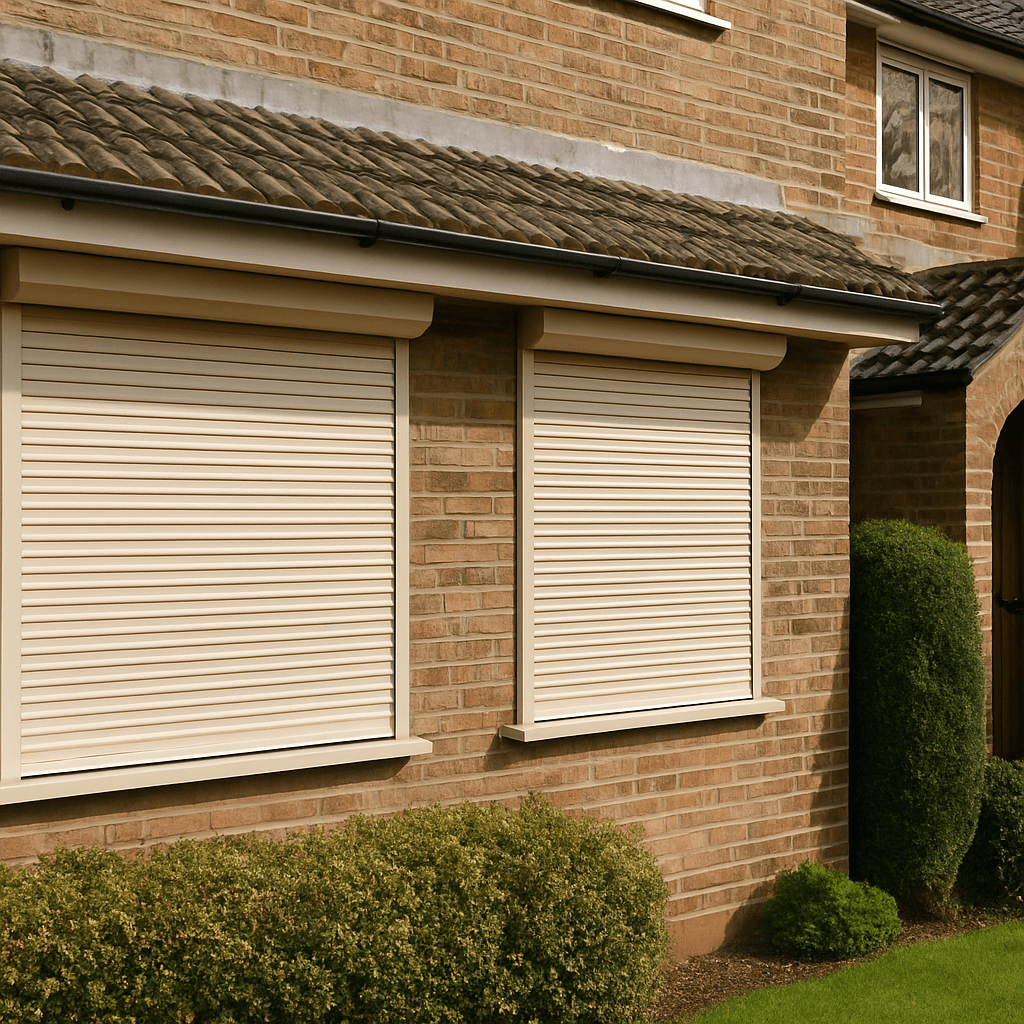
Homes in Queen Creek feel different when your windows are doing their job—or when they’re not. Shutters are more than curb appeal; they’re a practical, often overlooked way to insulate homes with shutters and keep your indoor climate steady. Read on and you’ll see how a few well-chosen panels can make a noticeable dent in energy bills and comfort levels.
So how do shutters actually help? (Spoiler: it’s simple physics)
Let me explain: windows are weak spots. Glass conducts heat. It lets the sun blast rooms and it lets warmth slip out at night. Shutters sit between your living space and the glass. They add layers — air pockets, insulating material, and reflective surfaces — that slow heat transfer.
Here’s the thing: shutters don’t just block sun; they change how heat moves. During hot Queen Creek summers, plantation shutters with tight louvers reduce solar gain. In cooler winter nights, solid panels or closed shutters trap a layer of air that acts like a mini blanket. You know what? That trapped air makes a surprising difference.
Which shutter types work best in Queen Creek, AZ?
Different styles do different jobs. Below is a quick, natural comparison so you can picture it.
| Type | Best for | Notes |
|---|---|---|
| Plantation shutters | Daytime light control & cooling | Louvers tilt to balance light and airflow; good for consistent shading. |
| Solid panel shutters | Maximum insulation & privacy | Acts like an extra wall; great for night or storm protection. |
| Composite/vinyl shutters | Low maintenance & moisture resistance | Handles heat and monsoon humidity better than untreated Wood. |
Plantation shutters are popular because they feel airy and classy, but don’t underestimate solid panels when your priority is insulation. They might look more “closed-off,” but they’re excellent at stopping heat migration. Mild contradiction? Sure — they feel less airy but often deliver better thermal performance. Later you’ll see why that trade-off sometimes makes sense.
Realistic energy savings — not magic, but close
People ask, “How much will I actually save?” Honest answer: it varies. But here’s a usable rule-of-thumb.
- Cool-season benefit: Closing shutters at night can reduce heat loss through windows by about 10–30% depending on the window type.
- Hot-season benefit: Reducing direct solar gain with shutters can lower cooling loads by roughly 7–25% on sun-exposed rooms.
Let’s do a small example: if your air conditioning bill during summer runs $200 a month, a 10% drop in cooling load could shave about $20 off each monthly bill. Over a year, that adds up — quickly. Plus, comfort matters more than cash sometimes; you’ll be less tempted to crank the AC down to icebox levels.
Why the range? Old single-pane windows and leaky frames see more improvement than new double-pane ones. Also, location in Queen Creek matters: west-facing windows fry in late afternoons; north-facing ones behave differently. So, do a room-by-room look — some places in your house will benefit more than others.
How installation details change the game (measure twice, install right)
Small things matter: seals, fit, and mounting type change how well shutter insulation works. Here are the main points homeowners ask about.
- Bold: Proper fit — Gaps around the edges reduce insulation dramatically. Seal those edges.
- Bold: Liner & frame — A sturdy frame and optional foam liners can block drafts, like weatherstripping for shutters.
- Bold: Louver tightness — Tighter louvers equal better solar control but slightly reduced airflow when open.
- Bold: Mounting type — Interior-mounted shutters trap more air next to the glass; exterior-mounted panels add an extra barrier to heat.
If you’re handy, you can measure and do basic installs, but misaligned shutters look off and underperform. That’s why local installers, like us, often recommend professional measurement for tricky windows (arched tops, bay windows, or pocket doors).
Maintenance, lifespan, and Queen Creek weather stuff
Arizona is a funny mix — hot sun, sudden monsoons, and dust storms. So think about Materials.
- Bold: Wood shutters — Warm, classic look. They need finish work and are more susceptible to humidity swings. Not ideal near monsoon exposure without treatment.
- Bold: Composite/vinyl — Resists fading and warping. Low maintenance, easy to clean — great for Queen Creek.
- Bold: Aluminum/exterior panels — Tough during storms, but can dent. Good for hurricane-like protection during severe storms.
Routine: dust monthly, clean with a mild soap, check hardware twice a year. Replace worn weatherstripping — it’s cheap but impactful. Shutters can last decades. Honestly, people sometimes forget them for years — in a good way — because they keep working.
Costs, ROI, and whether you’ll regret it (you won’t — usually)
Let’s be practical: homeowners want to know payback. Price ranges vary wildly: basic vinyl shutters can be a few hundred per window; custom wood plantation shutters might be $500–$1,200 per window or more. Exterior storm-style panels follow a different scale.
Think of it like landscaping: it’s both functional and aesthetic. ROI comes from lower energy use, longer HVAC life, and added home value. Also, local incentives pop up now and then — check your utility company for rebates or consult a local contractor for up-to-date offers. A small note: some homeowners get surprised that shutters add to resale appeal; they often mention quality window coverings in home listings.
Quick DIY fixes vs when to call a pro (short guide)
Not everything needs a contractor. But some things do.
- Bold: Easy DIY — Tighten hinges, add or replace weatherstripping, paint or stain small chips, clean louvers.
- Bold: Call a pro — Custom measurements, replacing rotted frames, installing exterior storm panels, or dealing with unusual windows (arches, bay windows).
Here’s the rub: you can save money DIY, but a poor fit undermines insulation. If you want a near-perfect seal and a polished look, a professional fitter matters — especially for high-value windows.
Little extras people forget (the things that make a big difference)
Let me throw in a few bonus ideas — small things that often slip under the radar.
- Layering helps. Combining shutters with thermal curtains or cellular shades multiplies the effect.
- Seasonal habits matter. Close shutters on hot afternoons and open them early morning when it’s cooler to use natural ventilation.
- Smart controls? Not for shutters themselves, usually, but pairing shaded habits with smart thermostats (Nest, Ecobee) helps maximize savings.
- Aesthetics + function. Shutters can match your style and still perform — they’re not either/or.
You might think, “Why bother?” But these little tweaks can turn a good shutter job into an excellent one.
Why local expertise matters (this is where we help)
Queen Creek has its quirks: long sun exposure, occasional dust, and a market where homes vary from new builds to ranch-style classics. Local installers know which materials stand up best to our climate. They also understand architectural styles common here — so your shutters complement the house and actually perform.
At Arizona Window Shutters, we measure specifically for your windows, discuss the look you want, and recommend a plan that balances comfort, aesthetics, and budget. We work with trusted brands and materials that won’t fade into the desert like cheap paint in August.
If you’re ready to make your home more comfortable and quieter — and save some money while you’re at it — give us a call or reach out for a free estimate. We’ll talk specifics for your home in Queen Creek, AZ, and help decide whether plantation, composite, or solid panels are the right move.
Call 480-470-5641 or click Request a Free Quote to get started with Arizona Window Shutters.