Your home’s face matters — you notice it when you drive up, and so do visitors. Installing decorative Shutters is a small change that says a lot about style, personality, and care. Here’s how to pick shutters that look great and actually work for living in Queen Creek, AZ.
Why decorative shutters deserve a spot on your to-do list
Shutters aren’t just window jewelry. They frame your view, add architectural depth, and can cut glare and heat — which, in Queen Creek summers, matters more than we sometimes admit.
Let me explain: a well-chosen set of decorative shutters can make a modest stucco bungalow read like a curated home on a design blog. They don’t have to be huge or fussy to make an impact. Honestly, they’re the jewelry of the exterior world — subtle, but when it’s right, people notice.
You know what? They also give your house a personality. Want charming? Go board-and-batten. Prefer sleek and modern? Try narrow slats in a matte finish. And yes, they can help with light control and a bit of energy savings — not a cure-all, but useful in summer.
Which shutter style matches your Queen Creek vibe?
Choosing a style can feel overwhelming, but it’s easier if you start with your home’s bones. Here’s a quick tour of popular looks that work well around here.
- Board-and-batten: Rustic, sturdy, farmhouse-friendly. Great for ranch-style homes and modern farmhouse makeovers.
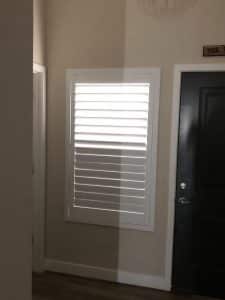
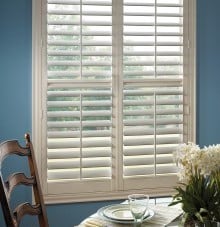
- Louvered (plantation): Classic, flexible — louvers let you control light without sacrificing privacy.
- Raised-panel: More formal; pairs well with Spanish or Mediterranean facades.
- Cafe-style / half-height: Cute for front windows, lets breeze and light in while giving some privacy.
- Flat-panel / contemporary: Minimal, modern, excellent with metal or glass accents.
Different styles sound like they belong to different eras, and that’s true — but here’s the mild contradiction: traditional shutters can look perfectly modern if Materials and color are chosen thoughtfully. So don’t box yourself in.
Materials that handle Arizona sun and monsoon drama
Materials matter. Some look great but fade fast in the Sonoran heat; others stand up to wind and water. Here’s a compact comparison to help you decide.
| Material | Pros | Cons |
|---|---|---|
| Composite (engineered Wood) | Durable, resists warping, paints well | Slightly pricier than vinyl |
| Vinyl / PVC | Low maintenance, inexpensive, resists rot | Can fade or warp in extreme heat if cheap |
| Real wood (cedar, redwood) | Authentic look, excellent paint/stain finish | Needs regular upkeep in desert sun |
| Aluminum | Lightweight, very durable, modern look | Can dent; gets hot to the touch in direct sun |
Composite tends to be the sweet spot for Queen Creek homeowners — it combines the warmth of wood with low maintenance. But if you love authentic grain, cedar looks lovely once sealed and maintained.
Color, hardware, and those tiny style moves that change everything
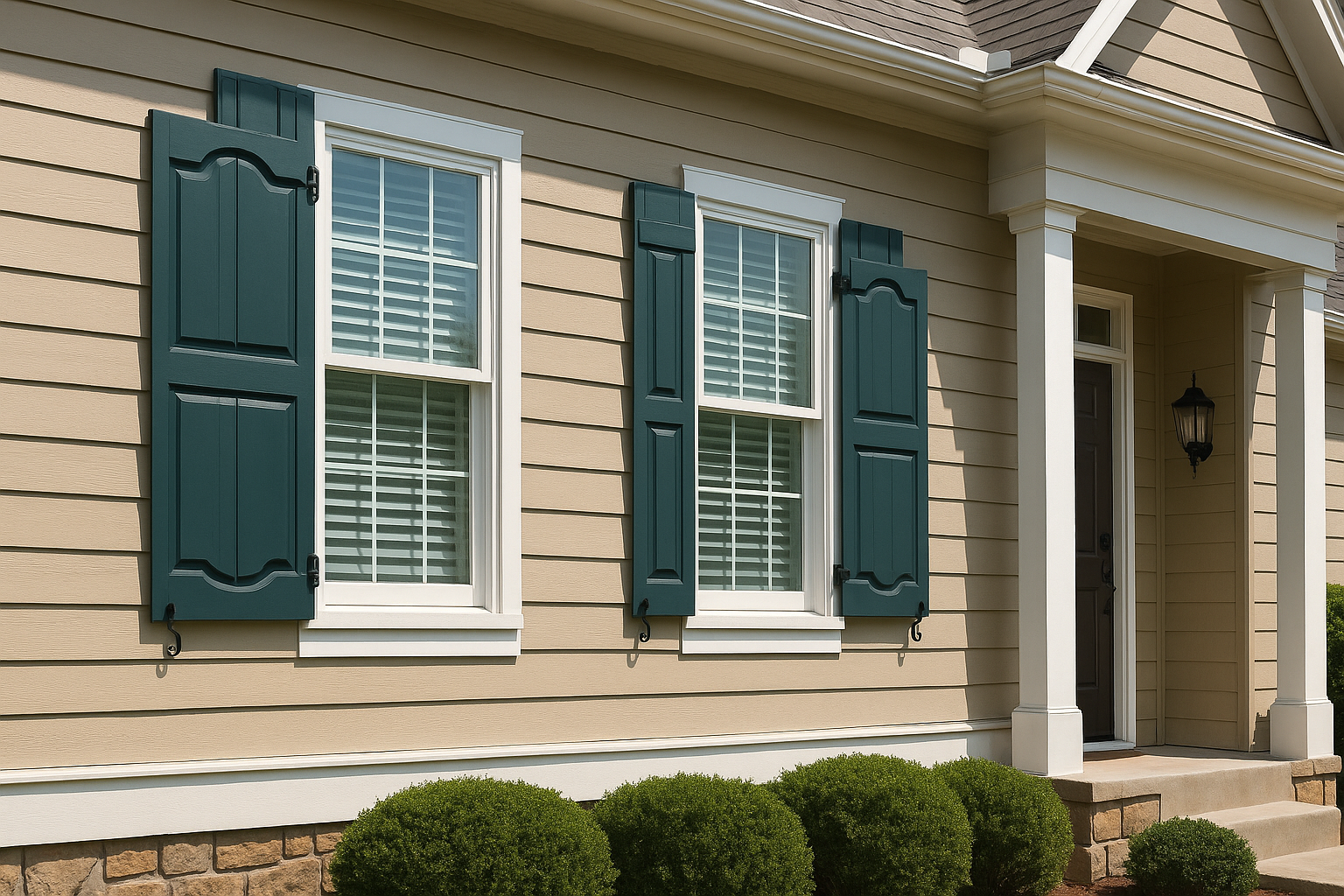
Color is the secret sauce. Contrast a soft tan stucco with deep charcoal shutters and suddenly the whole house reads as intentional. A few quick guidelines:
- Bold contrast sells curb appeal. Dark shutters against light walls — classic and eye-catching.
- Match metals sparingly. If you have bronze outdoor lights, pick similar-toned hardware on shutters.
- Texture matters. Smooth, matte finishes look modern; hand-applied limewash or distressed finishes feel vintage.
Hardware options aren’t just functional; they’re decorative. Straps, hinges, and Faux bolts can make shutters look operable even when they’re strictly decorative. Pro tip: choose hardware rated for exterior use (stainless or powder-coated) — the monsoon winds and dust won’t be kind.
Size, fit, and the “should I DIY?” question
Here’s the thing: measuring shutters looks simple until you get into jamb depths, stucco returns, and window casings. Installers talk about sight-lines and reveal — basically, how the shutter sits relative to the window trim. Those details determine whether the shutter looks custom or tacked-on.
- Measure twice, order once. Sounds cliché, but it’s true.
- Consider faux hinges and plugs if you want the look without operability.
- DIY saves money — sometimes. But if your windows are off-square (common in older builds) or you’re dealing with stucco repairs, a pro is often the cheaper route long-term.
Pricing varies widely. For a rough ballpark in the Queen Creek area: simple vinyl decorative shutters can start low per window, while custom composite or real-wood shutter systems with hardware will cost more. If budget matters, pick two or three priority windows — the front facade, the master suite — and start there.
Care and maintenance — easy steps that keep them looking fresh
Maintenance shouldn’t feel like a second job. Most decorative shutters ask for one short session a year, a bit more if you live near dust and storms.
- Regular rinse: Use a garden hose and mild soap for vinyl or composite.
- Inspect annualy: Look for loose hardware, flaking paint, or warping.
- Touch up paint: For wood, recoat every few years; composite can go longer.
- Tighten screws after monsoon season. Wind can loosen things you can’t see.
Quick story: I once saw a beautiful home with faded shutters because the owners thought they were “maintenance-free.” They were — mostly — but a simple cleaning and a fresh coat of paint made the house look new again. Sometimes small care equals big returns.
Curb appeal, resale, and why neighbors will notice
Let’s be frank: first impressions sell houses. Decorative shutters are relatively affordable and can change how a home photographs online, which is huge when you’re trying to get attention in a competitive market.
- Improve perceived value: Buyers notice thoughtful details — shutters signal a maintained exterior.
- Make photos pop: Listings with crisp, contrasting shutters tend to look more polished on MLS and social media.
- Local trend tip: In Queen Creek, homes that lean into Southwestern colors and natural tones tend to age better aesthetically.
Not every buyer will love your color choice, but a tasteful, neutral palette with a contrasting accent rarely misses. If you’re thinking resale, choose finishes that suit multiple styles — versatile is valuable.
Quick FAQs — straight answers for busy homeowners
Q: How long do decorative shutters last?
A: With proper materials (composite or aluminum) and occasional maintenance, 15–25 years is typical. Wood needs more care.
Q: Do they help with energy bills?
A: They help a bit — by shading windows and reducing midday heat gain — but they’re not substitutes for window films or proper insulation.
Q: Can shutters be installed on stucco?
A: Yes. Anchors and the right fasteners make it straightforward — but expect a pro if you’re unsure about drilling into stucco.
Q: Are permits needed?
A: Generally no for decorative shutters, but check local HOA rules in Queen Creek — some communities have design guidelines.
Ready to boost your home’s style?
If you live in Queen Creek and want to see your house with fresh eyes, start with one step: call us, or Request a Free Quote. We’ll talk through style, materials, and a realistic budget. No pressure; just friendly guidance from someone who’s hung more shutters than we can count.
Call Arizona Window Shutters at 480-470-5641 or click Request a Free Quote to get started. We’ll help you pick shutters that look great now and stand up to Queen Creek’s sun and storms — honestly, it’s one of the best curb-appeal moves you can make.