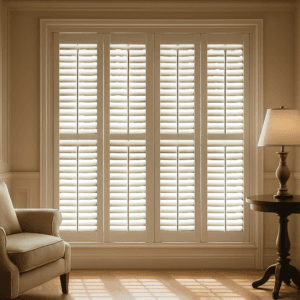
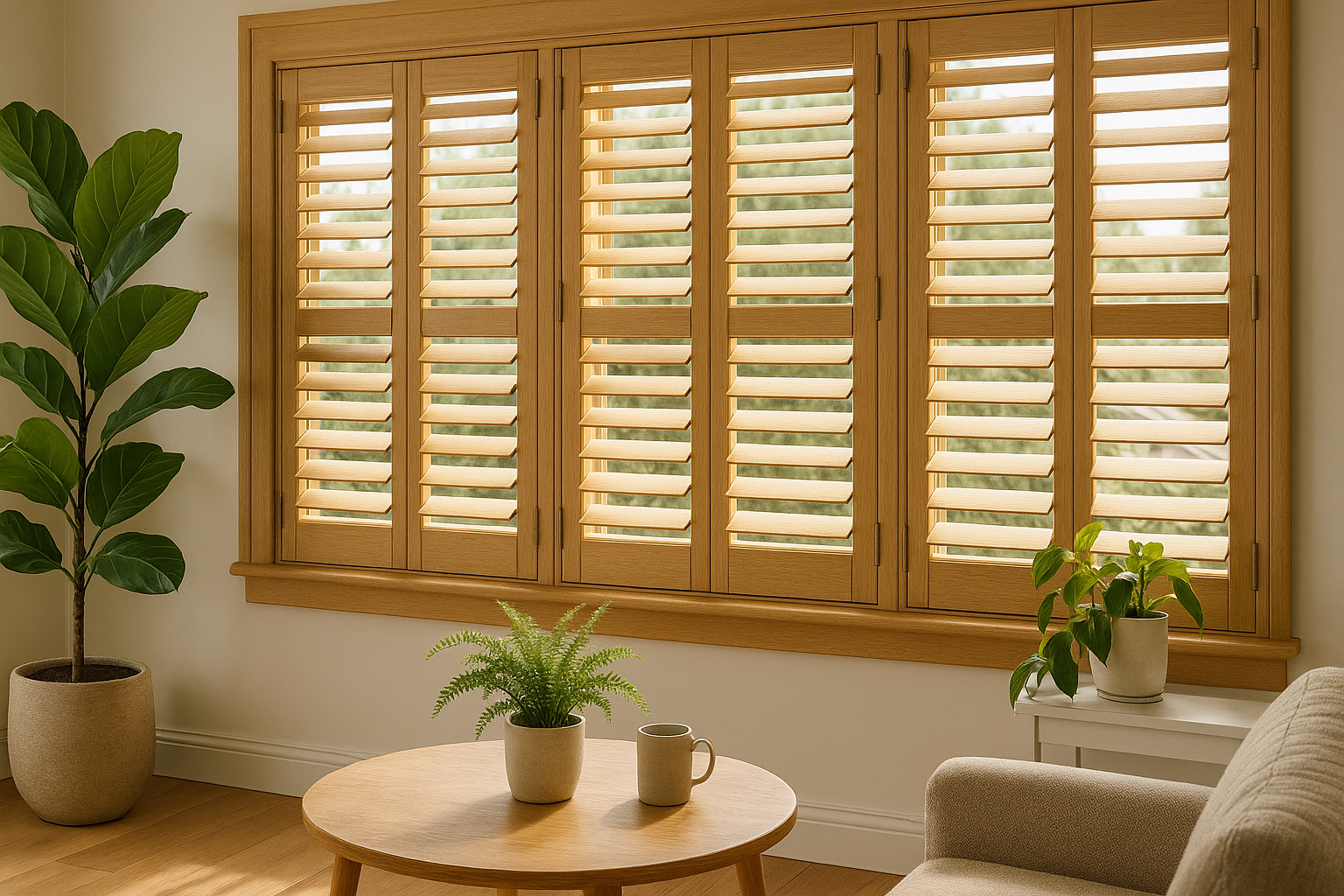
Natural light can make a Queen Creek home feel larger, happier, and — yes — a little less reliant on the A/C. But too much sun and you’re frying the furniture; too little and the house feels dim and gloomy. That’s where eco-friendly Shutters from Arizona Window Shutters come in: they help you welcome natural light, cut energy use, and keep things comfortable and stylish.
Why Queen Creek homeowners care about light — and about the planet
Queen Creek’s sun is as reliable as a neighbor’s dog — it shows up every day. That’s fantastic for solar mood-boosting light, but it also means cooling bills in summer and UV fading on sofas and floors.
Here’s the thing: controlling light isn’t just about blocking it. It’s about shaping it — letting the good parts in and keeping the harsh parts out. That’s practical. It’s also emotional. A room full of soft, warm light makes mornings easier and dinner conversations longer.
And let’s be honest: people in Queen Creek want to do right by the environment without sacrificing comfort. You want lower energy bills, fewer chemicals in the home, and Materials that last. Sounds fair. It’s totally do-able with the right shutters.
What makes a shutter truly eco-friendly?
If you’re shopping, “eco-friendly” gets thrown around a lot. So what counts?
-
Sustainably sourced Wood: Wood from Forest Stewardship Council (FSC) forests means the trees were harvested responsibly. The wood breathes, looks warm, and carries a small carbon footprint when managed properly.
-
Reclaimed or recycled materials: Old barn wood or reclaimed timber gives character and keeps material out of landfills. Same with recycled-engineered shutters; they use fewer new resources.
-
Low-VOC finishes: Paints and stains matter. Low-VOC options (think Sherwin‑Williams’ Harmony line) reduce off-gassing and help indoor air quality.
-
Durability equals sustainability: A shutter that lasts 20+ years and can be repaired is greener than a cheap fix-it-every-few-years product.
-
Energy performance: Shutters that improve R-value and reduce solar heat gain cut AC runtime, which lowers emissions. That’s sustainability you can see on your utility bill.
Think lifecycle, not just materials. It’s not enough to be recyclable if it falls apart in a season. Longevity, low-toxicity finishes, and responsible sourcing make a real difference.
How shutters let in natural light — without melting your succulents
You want sunlight. You don’t want scorch marks on the coffee table. Shutters handle that balancing act better than many window coverings.
Plantation shutters and adjustable louvers let you angle light precisely. Tilt them so sunlight washes the ceiling instead of blasting the sofa. Want glare control for TV time? Close them a bit. Want a gentle glow for reading? Open them wider.
Seasonal tip: tilt louvers upward in summer to deflect high sun. In winter, tilt downward to bounce lower-angle sun into the room and warm it up. Sounds fiddly, but once you get the hang of it, it’s habit.
You know what? Shutters are like sunglasses for your home — they cut glare, protect, and still let you see the view. They’re not perfect for every single situation, which is okay. Some rooms need blackout shades for napping babies; some need sheer panels with shutters as a layer. That little contradiction — sometimes you want dark, sometimes you want light — is why layering works so well.
Quick comparison: common shutter materials
| Material | Eco advantage | Light & heat control |
|---|---|---|
| Real wood (FSC) | Renewable when certified; low embodied energy | Excellent; natural insulation and great louvers |
| Polymer / Faux wood | Long-lasting, resists moisture, often recyclable | Very good; stable in heat and humidity |
| Aluminum | Recyclable, thin profile | Good for reflective control; can get hot if uninsulated |
Picking the right shutter for your Queen Creek home
Let’s get practical. Which shutter should you choose? Here are the main factors — think of them like a checklist.
-
Climate match: Queen Creek is dry and hot. Real wood performs fine here, but if you have rooms with occasional humidity (kitchen, laundry), consider faux wood.
-
Window orientation: South- and west-facing windows get the hottest sun. Choose shutters with tighter seals and smaller louver gaps for those spots.
-
Room purpose: Bedrooms often need better light blocking; living rooms benefit from adjustable slats that let in soft daytime light.
-
Style & resale: Shutters are an investment. Pick a timeless finish if you plan to sell in a few years.
-
Budget vs. lifespan: Cheaper panels save money now but might need replacing. Spend a little more and you’ll likely save in energy and replacement costs.
Measurements matter — a lot. Order custom or have a pro measure. You’ll thank yourself later.
Installation, maintenance, and a few pro tips (that don’t sound like a manual)
You can DIY, sure — and a handy homeowner will get through it. But there’s a reason pros exist. They use laser measurers, know subtle shutter-frame gaps, and make sure your seal is tight so the shutters actually help with R-value.
-
Pro tip: Ask installers about weatherstripping and full-frame installs. Little gaps let big heat in.
-
Maintenance: Wipe with a damp cloth, avoid harsh solvents, and re-coat wood with low-VOC finish when needed. Faux wood? Almost no fuss.
-
Warranties and service: Look for a solid warranty and local service. When something’s wrong, you want a nearby company to fix it — not a 2‑week wait from out of state.
A mild contradiction: professional installation costs more upfront, but often saves money later. That’s just life. Sometimes spending a bit now avoids headaches and extra costs later.
Costs, savings, and environmental payback — real numbers you can use
Numbers help make decisions. Exact costs vary by size, material, and finish, but here’s a ballpark for Queen Creek.
-
Average install cost: $400–$1,000 per window for quality shutters (custom fits). Many homeowners see higher for premium wood or complex windows.
-
Energy savings: Shutters can reduce heat gain by up to 20–30% depending on window orientation and quality of installation. In Queen Creek summers, that can shave a noticeable chunk off cooling bills — often 5–15% a year.
-
Payback timeline: If your cooling costs are high and you pick durable shutters, expect a 5–10 year simple payback through energy savings plus less UV damage to interiors.
Also remember the less-tangible returns: better comfort, improved resale value, and fewer chemical emissions with low-VOC finishes. That peace of mind? It’s worth something.
Style ideas — because practical doesn’t have to be boring
Function and aesthetics can be married — and they can throw a happy party together.
-
Bold contrasts: White shutters against warm adobe walls — clean and cool, like a modern Southwest postcard.
-
Natural wood tones: Keep the grain visible for texture; pair with woven rugs and desert plants.
-
Painted neutrals: Low-VOC paint in soft grays or sage greens fits many interior trends and helps reflect heat.
-
Layered windows: Use sheer curtains behind shutters for soft diffusion during afternoons and a crisp look when open.
A trend to watch: homeowners are favoring muted desert palettes and tactile materials — think plaster walls, matte metals, and, yes, good wood shutters.
A few real-life scenarios (so you can picture it)
Imagine a west-facing family room: afternoon sun slams in, TV glare annoys, and the couch is fading. The fix? Install adjustable-louver shutters with a tighter seal and a light-reflective finish. Tilt the louvers up during the hottest hours, and your afternoons become tolerable without blasting the AC.
Or a sunroom filled with succulents: use shutters that let you control light intensity. Plants love bright atmospheres, but many don’t want direct, scorching sun. A small tweak to the angle keeps them thriving.
These are small changes that make daily life nicer. They’re not flashy, but they’re effective.
Ready to let natural light in—wisely?
If you live in Queen Creek and want a solution that’s stylish, sensible, and kinder to the planet, eco-friendly shutters from Arizona Window Shutters are worth a look. We measure, we customize, and we stand behind our work — and we’ll help you choose shutters that bring light in the right way.
Call us at 480-470-5641 to talk through options, or click to Request a Free Quote and we’ll set up a no-pressure consultation. Let’s make your home brighter, fresher, and more comfortable — without wasting energy.