Living in Queen Creek means loving big skies and huge sun—but that sun can be rough on your floors, furniture, and skin. If you want to keep your home comfy, lower your cooling bills, and stop watching rugs fade, UV blocking curtains are a quiet, smart solution. Here’s a friendly, practical guide to help homeowners pick the right curtains without wading through jargon.
Why UV blocking curtains matter (yes, even more than you think)
You might assume sunglasses for your windows sound dramatic, but honestly—they help. The sun in the East Valley is intense; UV rays cause colors to fade, fabrics to weaken, and even raise the risk of skin damage from long indoor exposure through windows. Beyond that, heat from direct sun pushes your AC harder, so your energy bill climbs.
Let me explain: curtains that block UV do two jobs. First, they filter out harmful ultraviolet light. Second, many of them reflect or absorb solar heat, which keeps rooms cooler. That’s protection and comfort rolled into one—like sunscreen and a fan combined.
Quick win: Install them on west- and south-facing windows for the biggest impact—those are the windows that get blasted by late afternoon heat.
How UV blocking curtains actually work (simple version)
Here’s the thing: it’s not magic. Fabrics, coatings, and construction determine how much UV gets stopped.
- Weave and fabric — Tighter weaves block more UV. Polyester blends and some treated cottons perform well.
- Lining and coatings — A reflective backing or a blackout lining bounces UV and heat back. Think of the lining like a tiny mirror for sunbeams.
- Color matters—sort of — Dark colors can absorb more heat; light colors reflect it. But when it comes to UV, weave and treatment beat color most of the time.
- UPF vs. % UV blocked — Some Products list UPF (Ultraviolet Protection Factor), others show percent blocked. UPF 50+ means excellent protection; 90%+ UV block is common for purpose-made curtains.
You’ll hear numbers tossed around. Don’t be surprised if a sheer fabric blocks UV surprisingly well—some modern sheers get treated to stop UV but still let light through. That’s the mild contradiction: you can have light and protection together, if you pick the right product.
Which curtain should you pick? (room-by-room thinking)
Different rooms need different trade-offs. Here’s a simple comparison table to help.
| Fabric Type | Estimated UV Block | Best For |
|---|---|---|
| Heavy blackout (lined) | 95–100% | Bedrooms, media rooms, rooms with direct afternoon sun |
| Treated sheer | 60–85% | Living rooms where you want light plus protection |
| Thermal/insulated panels | 80–95% | Rooms needing both insulation and UV defense |
| Roller solar shades | 70–95% | Kitchens, patios, modern minimalist homes |
Now, some practical rules:
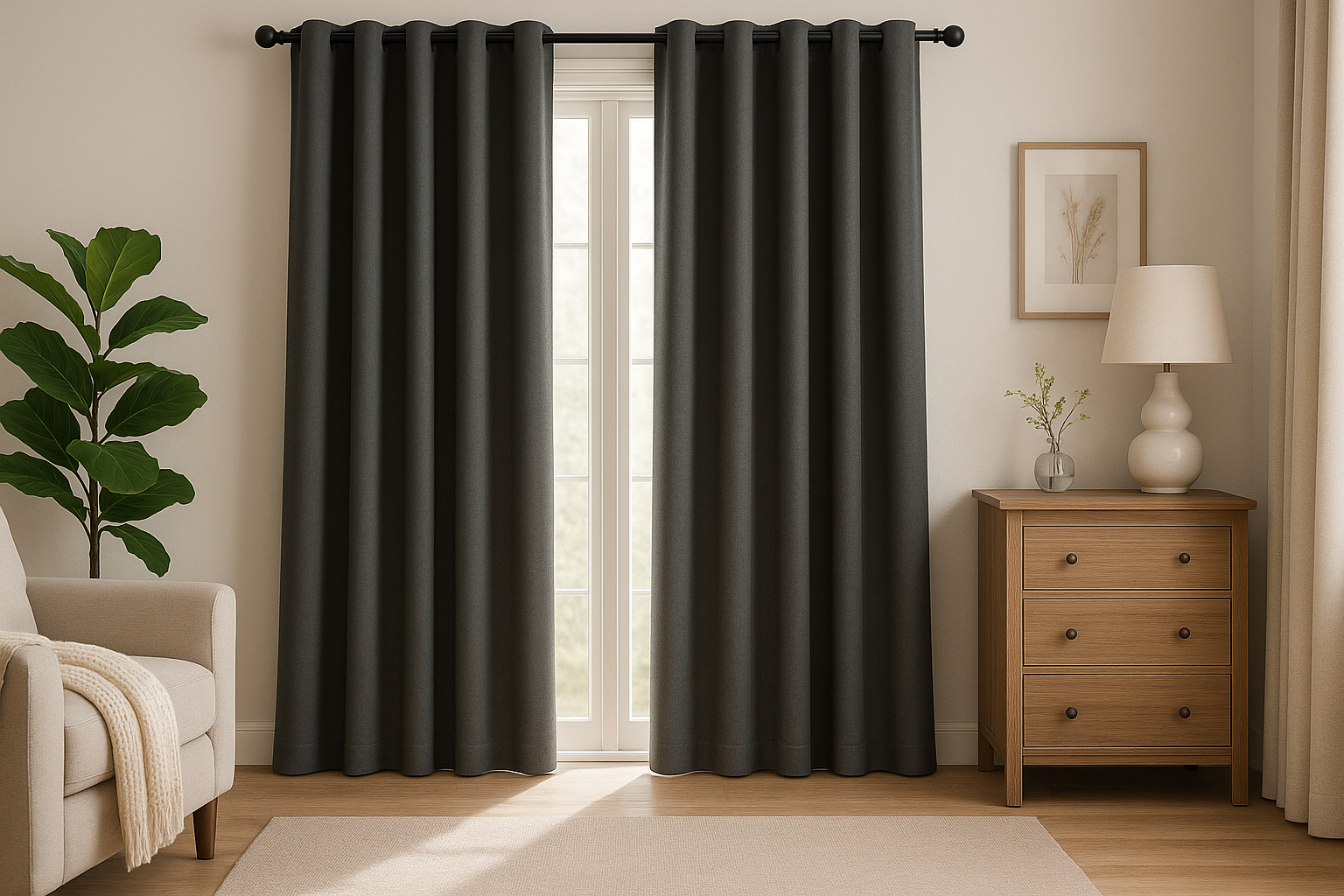
- Bedrooms: Go with lined blackout or thermal panels. You’ll protect fabrics and sleep better.
- Living rooms: Treated sheers layered with heavier drapes give you flexibility—light when you want it, protection when you need it.
- Home offices: Reduce glare for screens with solar shades that still preserve outside views.
- Sunrooms and patios: Use solar fabrics or retractable shades designed for outdoor use.
You know what? Mixing types usually works best. Sheer plus a blackout layer—classic, useful, and not boring.
Buying tips: what to look for (so you don’t regret it)
There’s some jargon you’ll see. Here’s the short guide—no fluff.
- Look for UPF or UV-block percentage — Higher is better for protection.
- Check for thermal or reflective linings — They cut heat gain.
- Ask about warranty and fade resistance — Good fabrics are tested.
- Consider motorization — Motorized tracks or shades (brands like Hunter Douglas or Somfy systems) make life easier for large or hard-to-reach windows.
- Fabric care — Some treatments wash out; check care instructions.
If you’re getting hung up on aesthetics, remember: a well-chosen curtain system protects your investment and can still look great. A local fabric store in Queen Creek or Phoenix often has swatches you can bring home to see how sunlight changes the color through the day.
Installation, maintenance, and local quirks (dust, monsoon season, and all that)
Installation matters. A tight fit at the frame reduces light leaks and improves thermal performance. Measure twice—yes, really—and if you’re unsure, get professional help.
- Cleaning: Vacuum with a brush tool, use gentle detergents for washable fabrics, and spot-clean for stains. Avoid harsh bleach on treated fabrics.
- Dust and monsoon season: In Queen Creek, dust builds up fast. Regular brushing helps. For covered patios, use outdoor-rated fabrics.
- Hardware: Choose rust-resistant rods and brackets if you’re near water features or in humid spots (not common here, but good practice).
- Lifespan: High-quality curtains last years—often 5–10+ depending on sun exposure. Replace sooner for furniture-intensive rooms to keep UV protection effective.
Honestly, a little maintenance goes a long way. A quick vacuum every other week keeps fabrics looking fresh and doing their job.
The cost and energy angle (yes, they can save money)
Let’s cut to it: curtains that stop UV and heat can reduce cooling loads. Studies show properly installed shades and curtains can lower cooling energy use by up to 10–25% on hot days, depending on home orientation and local climate.
You’ll see savings most in:
- West- and south-facing rooms
- Homes with older single-pane windows
- Rooms with lots of electronics or fabrics
Think of it like adding insulation without tearing into walls. The upfront cost varies—basic solar shades are inexpensive; custom motorized drapery can be pricier. But often the payback comes from energy savings, longer lifespan for furniture, and peace of mind.
Quick troubleshooting and common myths (short Q&A)
- Myth: Dark curtains block more UV. Not always—fabric treatment and weave often matter more than color.
- Myth: Window film is always better. Film blocks UV well but doesn’t offer the insulation flexibility or design choices of curtains. The best results sometimes come from using both.
- Q: Can I DIY? Yes, for standard windows. For large, custom, or motorized systems, pros reduce mistakes.
- Q: Do curtains stop all heat? No—some heat still gets through. For total solar control, combine curtains with low-e glass, films, or exterior shades.
- Q: What about pets and kids? Choose durable, washable fabrics; avoid long dangling cords—go cordless or motorized.
Small contradiction here: window films are great at UV blocking but curtains beat them at insulation and style. That’s why many homeowners use a combo.
A few style and design notes (because looks matter)
You might be protecting your sofa, but you also want your home to feel like home. There are lots of ways to blend function and form.
- Layering — Sheers plus heavier curtains give depth and flexibility.
- Textures — Linen-like thermal fabrics look casual but perform well.
- Colors — Neutral tones make rooms feel bigger; deep hues add drama and can hide stains.
- Hardware — Brushed nickel, black steel, even Wood: hardware sets the tone.
And trends? Right now, people are pairing smart home tech with classic textiles—motorized curtains that integrate with voice assistants (Google Home, Alexa) are popular. They’re not just flashy; they help schedule shading during hot afternoons, reducing strain on your AC.
Final thoughts—and a simple next step
If you live in Queen Creek, the sun is part of the lifestyle. You don’t have to give up light for protection. With the right choices—treated fabrics, good linings, or layered systems—you can enjoy bright rooms without the worry of fading, higher bills, or skin risk.
Want help figuring out what makes sense for your home? Arizona Window Shutters can inspect your windows, suggest options tailored to your rooms, and handle professional installation so it’s done right the first time. Call us at 480-470-5641 or click Request a Free Quote to schedule a consultation. We’ll walk through practical choices and costs—no pushy sales, just real local experience.
We’re local, we get the heat, and we care about your home. Give us a ring or request that free quote—let’s keep your home comfortable and your things looking great.