Choosing the right window treatment for sliding doors can feel like a puzzle — you want privacy, light control, and style without fumbling every time you walk through. If you live in Queen Creek, AZ, you’ve also got to think about heat, sun, and dust. Here’s a friendly, practical guide to the best plantation Shutters for sliding doors that actually work — and look great too.
Why choose plantation shutters for sliding doors? (Short answer: they’re smart)
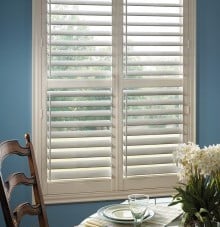
Plantation shutters give you solid light control and privacy, while still feeling like part of the room — not an afterthought. They’re more durable than curtains, cleaner than vertical blinds, and they don’t flap in the breeze when you open the door.
You know what? They act like sunglasses for your home. Tilt the louvers and you cut glare and heat; open them and you get full views. It’s that simple, and homeowners in Queen Creek appreciate that practicality when the sun’s beating down.
Which types of plantation shutters work best for sliding doors?
There’s no single winner; it depends on your door size, how you use the space, and your budget. Here are the top contenders.
1) Stackable Panel Shutters
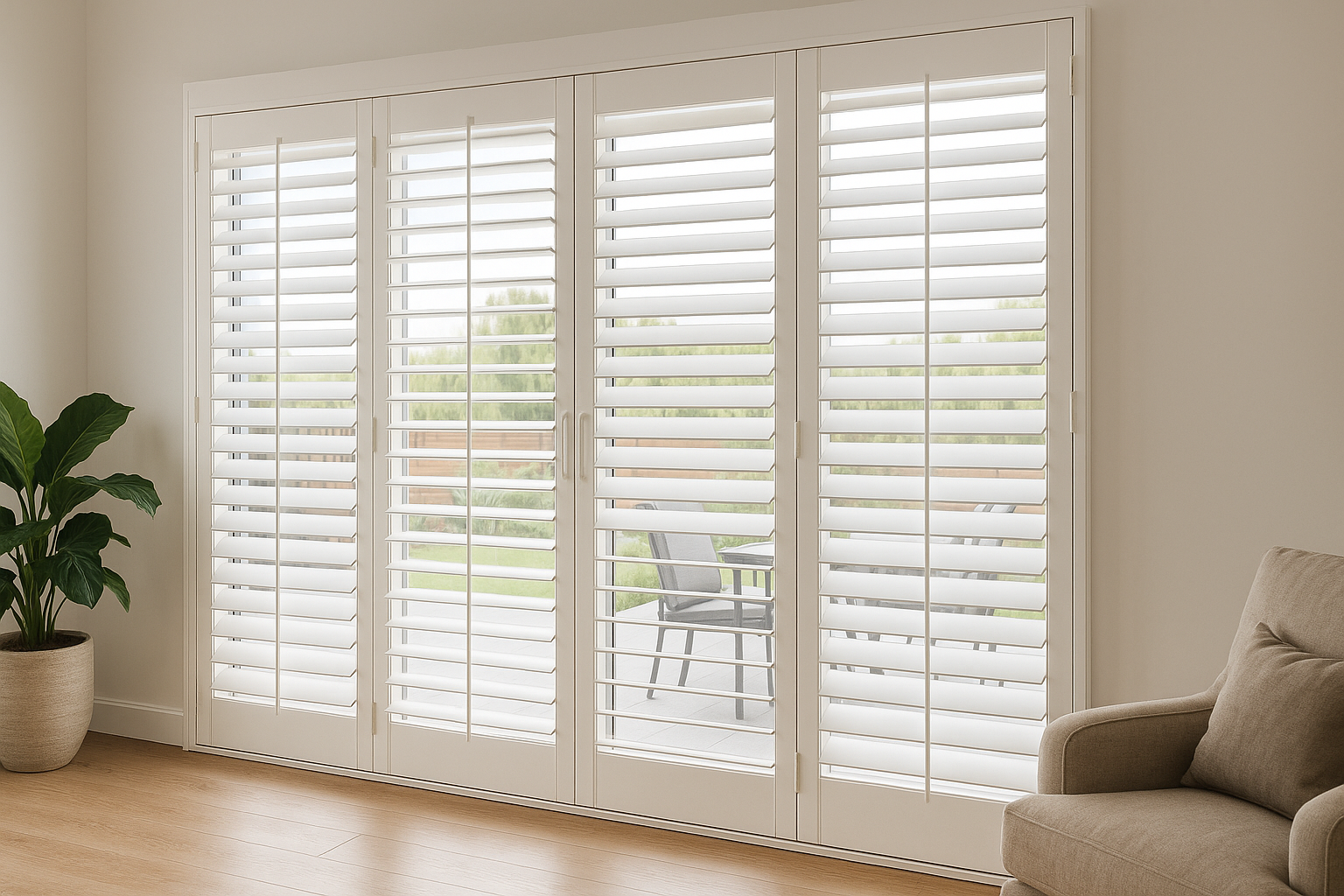
These are large panels that slide on a track and stack neatly to one side. They’re ideal for very wide openings and keep the pathway clear.
2) Bypass/Sliding Louvered Panels
Multiple hinged panels slide past one another on a track. Great for frequent access — think patio doors you use daily.
3) Bi-fold Shutters
Fold away like an accordion. They offer full access, good ventilation, and a clean look when folded to the side.
4) Hinged Shutters
Traditional and sturdy; they swing open like regular doors. Best for smaller sliding doors or where you want a classic aesthetic.
Material matters — which should you pick?
Here’s a quick table to help compare Materials. (Yes, you can be picky — that’s okay.)
| Material | Best for | Typical cost |
|---|---|---|
| Faux Wood / Polymer | High humidity, sun exposure, budget-conscious durability | $ |
| Basswood | Premium interiors, smooth finish, paint or stainable | $$ |
| Aluminum / Composite | Ultra-wide doors, modern look, strong and light | $$–$$$ |
Faux wood (polyurethane or MDF-based) is a favorite in Arizona because it resists warping from heat and humidity — important when you’ve got a sliding door exposed to long summer sun. Basswood looks luxurious and paints well, but it’s pricier and needs more care. Aluminum or composite systems are built for very large openings and heavy use.
Practical configurations: what homeowners actually choose
Let me explain — configuration is half the battle. You can have gorgeous shutters that annoy you every day if they’re the wrong layout.
- Single-panel sliding: Best for narrow openings; simple but limited.
- Multi-panel bypass: Panels glide one behind the other; good for regular use.
- Stacking panels: Panels stack neatly out of the way — great for full-width views.
- Bi-fold: Fold away to allow full access; a little more hardware, but very convenient.
Honestly, think about traffic flow. Do kids run in and out? Do you carry groceries through? If the answer is yes, favor bypass or stacking systems.
Light control, privacy, and airflow — the louver size question
Louver size changes everything. Big louvers (3.5” or 4.5”) give that airy plantation look and more view when open. Smaller louvers (2.5”) offer more privacy and a classic, detailed appearance.
- Big louvers = Better views, fewer slats to clean, modern vibe.
- Small louvers = More privacy, traditional look, slightly more maintenance.
Tilt rods versus hidden tilt mechanisms — both work. Tilt rods are familiar and easy to adjust; hidden tilt systems look cleaner. Pick what you’ll actually use; don’t overcomplicate it.
Installation tips — measure twice, breathe once
Here’s the thing: accurate measuring and a good install make the difference between a showroom look and a shop job. Sliding doors often have uneven frames, tracks, and non-standard widths.
- Measure the glass and the frame — don’t assume it’s square.
- Decide flush mount vs. reveal mount — flush makes for a sleeker look; reveal can block some light but hides hardware.
- Consider add-ons — dust seals, motorized drives, child-safe fasteners.
You can DIY small installs, but for wide sliding doors, professional installation ensures smooth operation and lasting performance. Arizona Window Shutters offers precise installs — we’ve worked on a lot of Queen Creek homes with custom door frames and tricky sills.
Maintenance in Queen Creek — sun, monsoon, and dust
Here in Queen Creek, we get intense sun, sometimes surprising humidity, then monsoon dust storms. That’s worth thinking about.
- Faux wood is easy: wipe with a damp cloth, use mild detergent for grime.
- Real wood needs occasional conditioning and less direct sun exposure.
- Tracks and hardware should be cleaned and lubricated yearly to keep sliding smooth.
Shutters can be surprisingly low-maintenance — but they do need a little care after a dusty storm. A quick vacuum with a soft brush or a microfiber wipe and you’re done. Simple, predictable upkeep keeps them looking new for years.
Style matters — match the shutters to your home (but don’t overthink it)
You might think shutters limit style, but they’re actually really flexible. Want Mediterranean charm, clean modern lines, or classic Craftsman warmth? Shutters can help you express those things.
- Painted white or off-white brightens and feels airy.
- Stained wood adds warmth, especially with darker floors.
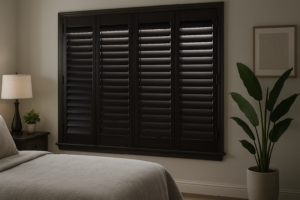
- Matte finishes keep the look contemporary; gloss can feel dated.
Small contradiction: shutters are both an architectural element and a piece of furniture. They frame your view but also sit inside the room. That means they need to coordinate with both exterior siding and interior trim. We recommend bringing paint chips and fabric swatches when you choose.
Budgeting and value — what you’ll typically pay
Prices vary, of course — size, material, and hardware matter. But to give you a feel:
- Basic faux wood panels for a standard sliding door: lower-cost range.
- Mid-range basswood or premium polymer systems: mid-price.
- Custom wide-span aluminum/composite with motorization: higher end.
Here’s a simple pricing snapshot to help plan:
| Feature | Typical range | Why it matters |
|---|---|---|
| Standard faux wood | $400–$900 per door | Durable, budget-friendly |
| Basswood / hardwood | $800–$1,500 per door | High-end finish |
| Motorized / custom | $1,500+ | Convenience, large spans |
Think long-term: good shutters add resale appeal and energy savings by blocking heat. They’re an investment that often pays off in comfort and curb appeal.
Common mistakes homeowners make (so you don’t)
You’ll hear a lot of advice — some of it useful, some not. Here’s what we see gone wrong.
- Buying the cheapest because “it’s only a door.” That ends in squeaks and warped panels.
- Ignoring the track system — poor tracks mean poor movement.
- Choosing louvers that look great online but don’t suit the view — up close they can feel off.
Don’t rush. Shutters are a long-term piece of your house. They should make life easier, not louder.
Final thoughts — how to pick the right shutter for your sliding door
If you want my quick recommendation: for Queen Creek sliding doors, most homeowners do best with a high-quality faux wood sliding (bypass or stacking) system. It handles heat, resists warping, and gives you the balance of view and shade that Arizona demands.
But you know what? If you love real wood, go for basswood — just protect it from direct, prolonged sun with a UV-resistant finish. If your door is extremely wide, consider aluminum/composite panels with a robust track.
Ready to upgrade? Let’s make it simple.
If you’re in Queen Creek and you want shutters that actually work — for cooling your home, framing your view, and living with less fuss — give us a call. We’ll measure, show samples, and give you a clear plan. No surprises. Honest advice.
Call Arizona Window Shutters at 480-470-5641 or Request a Free Quote online — we’ll come out, assess your sliding doors, and give you options that fit your style and budget.