Sunlight feels wonderful—until you notice your sofa looking ten years older after just one summer. For homeowners in Queen Creek, AZ, protecting furniture from fading and heat damage is a real concern; this article walks through practical UV window options that actually work. You’ll get clear comparisons, local tips, and straightforward next steps.
Why sunlight is your furniture’s frenemy
You love bright rooms; your upholstery doesn’t. UV rays and visible light together cause dyes to break down, Wood finishes to dull, and leather to crack. It’s weird—sunlight makes a house feel alive, but it’s also a slow, persistent thief of color and texture.
Here’s the thing: UVA rays penetrate deeper and cause fading, while UVB is more about surface damage. Add heat and you’ve got accelerated wear. In Queen Creek summers, the combo of intense sun and high daytime temps speeds the process up. You might think a rug or cushion won’t notice, but fabrics, artwork, hardwood floors, and even family photos are at risk.
You know what? Not all light is bad. Some UV filtering preserves daylight while blocking the harmful part—so you don’t have to live in a cave. Let me explain the practical choices next.
What to look for in a window solution
Before buying anything, check these basics—your future self (and your sofa) will thank you.
- UV Rejection Percentage: Look for Products that block at least 99% of UVA and UVB for serious protection.
- Visible Light Transmittance (VLT): High UV block doesn’t mean zero daylight. Some films keep rooms bright while filtering harmful rays.
- Solar Heat Gain Coefficient (SHGC): This tells you how much heat is kept out; lower is better for cooling bills in Arizona.
- Aesthetics and View: Do you want an invisible fix or a visible treatment like Shutters? Balance style and function.
- Durability & Warranty: Sunlight plus desert dust is a test—pick Materials that stand up to thermal stress and hail.
- Privacy & Glare Control: Sometimes cutting glare saves your TV and your eyes—and that means you’ll actually sit on the couch more.
- Local Code/HOA Rules: Some neighborhoods have rules about exterior films or visible changes—check first.
Popular UV window options (and what they’re really good for)
Not all solutions are created equal. Here’s a practical breakdown so you can match needs to rooms.
Window films
Window films are thin laminates applied to glass. They range from nearly invisible to reflective. Brands like 3M and LLumar offer high-performance, spectrally selective films that block up to 99% of UV while still letting in lots of light. Great for rooms with prized furniture or art.
Solar shades and roller blinds
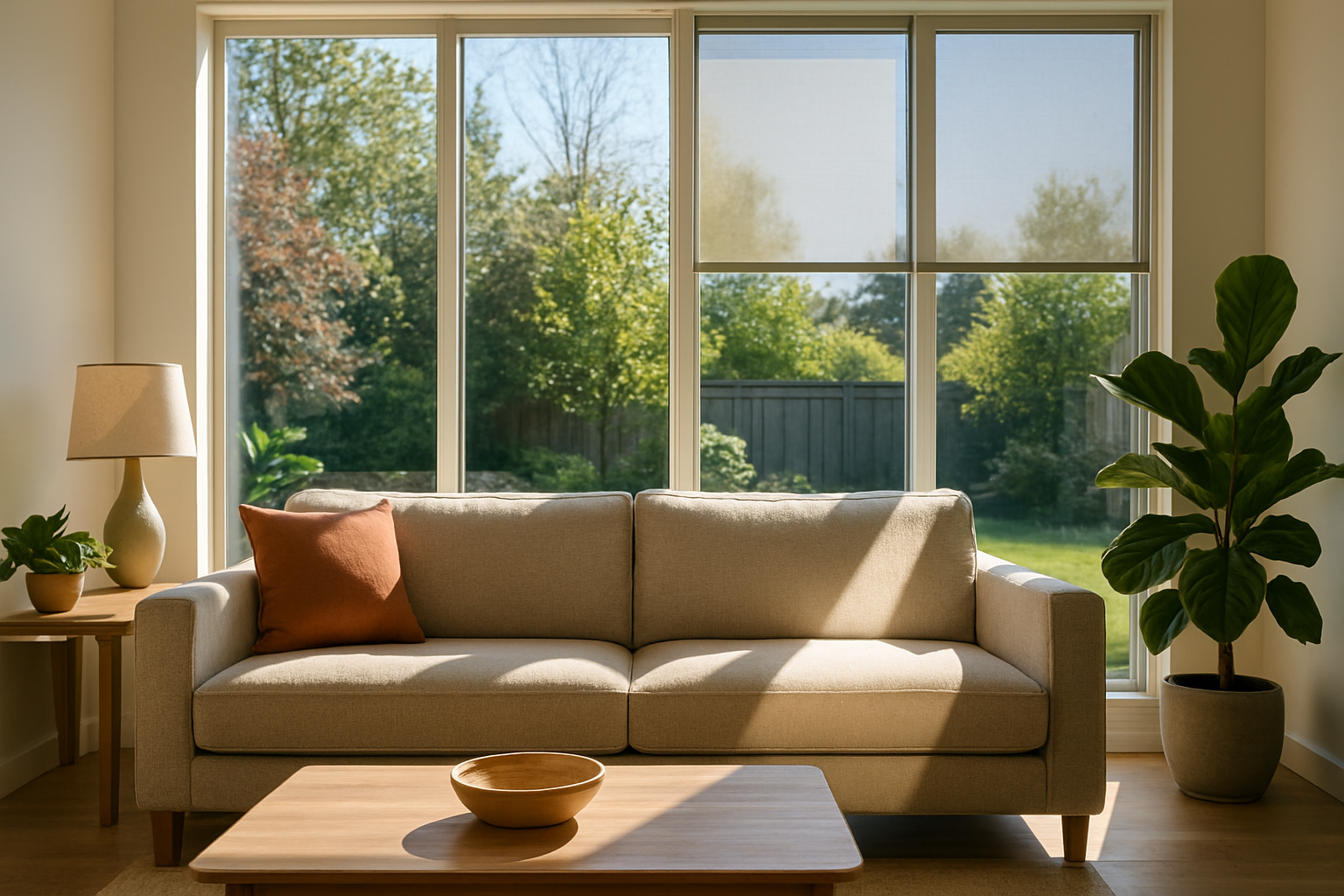
These are fabric layers mounted inside the window frame. They reduce glare and block a lot of UV depending on the weave (1%–10% openness for high protection). They’re flexible and stylish—often used in living rooms and home offices.
Interior shutters and plantation shutters
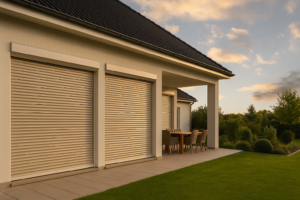
Solid shutters (like vinyl or painted wood) physically block sunlight and add insulation. They don’t filter light like films, but they provide excellent protection when closed and look great when open. For a classic Queen Creek home, shutters can be both protective and decorative.
Low-E glass and coated windows
If you’re replacing windows, look at low-emissivity glass—manufacturers like Andersen and Pella make glass with coatings that reduce UV and heat. It’s pricier but permanent and effective.
Draperies and UV-curtain linings
Heavy drapes with UV-blocking liners are old-school but effective—especially for southwest-facing rooms. They’re also a chance to refresh decor.
Quick comparison table
| Option | Typical UV Protection | Best for |
|---|---|---|
| Window film | Up to 99% | Art, upholstery, homeowners wanting invisible protection |
| Solar shades | 80–99% (varies) | Glare control, modern look, daytime privacy |
| Shutters / Low-E glass | High (physical block or coating) | Long-term solution, curb appeal, insulation benefits |
Film vs. shutters vs. new glass: which should you pick?
So which is right? It depends. Here’s a practical take.
If you want a quick, relatively inexpensive fix that preserves your view, window film is often the winner. It’s less disruptive than replacing windows and can be matched to your goals: glare reduction, heat rejection, or maximum UV block.
If you want something tactile, architectural, and permanent-looking—shutters win. They add resale value and look intentional. They’re also great when you want light control on your own terms: tilt, angle, close.
If windows are due for replacement anyway (fogging panes, poor seals), go for low-E glass. It’s the most permanent fix and gives the best overall energy performance, but it’s also the most costly upfront.
Here’s a mild contradiction: films work great and are cost-effective, but they can peel or bubble if installed on improperly tempered glass or in extreme heat—so professional installation matters. You might save money DIY, but you could regret it later.
Think about the room’s use: art room? Film or museum-grade glass. Family room with TV? Solar shades or a mid-tone film to reduce glare. Front-facing rooms that set curb appeal? Consider shutters or new glass.
Installation and maintenance—what to expect in Queen Creek heat
Queen Creek’s summers aren’t subtle. Thermal cycling (very hot days followed by cooler nights) and dust can stress films and hardware.
Professional installers use squeegees, wet-adhesive techniques, and heat stabilization to ensure films bond correctly. Installation is usually one to two days for a typical house, depending on window count and sizes.
Maintenance tips:
- Cleaning: Use mild soap and water—no ammonia-based cleaners on films.
- Shutters: Dust monthly; deep-clean painted surfaces occasionally.
- Glass: Check seals; if insulated glass fogs, it’s time to replace.
- Film lifespan: Expect 10–15 years for quality films—warranties vary.
Also, monsoon season can bring grit that scuffs blinds and shades, so consider more durable materials (e.g., aluminum slats, Faux wood shutters) if you’re near open desert landscapes.
Budgeting and ROI: protecting furniture actually pays
Protecting furniture isn’t just about aesthetics; it’s about saving money. Reupholstering or replacing a sofa can cost thousands. A modest investment in high-quality film or effective shades can extend the life of furniture by years.
Rough cost ranges (Queen Creek, approximate):
- Window film: $8–$15 per sq. ft. (installation included varies)
- Solar shades: $150–$600 per window (depending on size and material)
- Shutters: $500–$1,500+ per window (material and custom sizing)
- Low-E window replacement: $300–$1,000+ per window
Keep in mind there’s an energy side benefit: blocking heat lowers AC use, so you get a small monthly payoff in cooling costs. Plus, protecting irreplaceable artwork or heirlooms? That’s priceless.
Quick checklist—before you decide
Here’s a short, practical checklist to bring with you when you shop.
- Measure windows (width × height) and note orientation (south, west).
- Note problem areas: faded spots, glare times, hottest rooms.
- Request samples: film swatches, shade fabrics—test in direct sun.
- Ask about warranty and expected lifespan: both materials and labor.
- Check HOA or local guidelines: some exteriors are restricted.
- Get multiple quotes: look for installers with residential experience in Arizona.
- Think seasonally: will monsoon dust or winter sun angles affect your choice?
Ready to protect your furniture? Let’s talk.
If you’re in Queen Creek and a little tired of chasing sun spots across your hardwood, we can help. Arizona Window Shutters specializes in practical, attractive solutions—everything from high-performance UV window film to custom shutters and shades. Honest advice, professional installation, and options that respect your style and budget.
Call us now at 480-470-5641 or Request a Free Quote to get a tailored plan for your home. Let’s keep your furniture looking like you just bought it—without sacrificing the light you love.